Why Beginners Shouldn't Start with Conversation Practice: A Level-Based Approach
Discover why matching your practice method to your current level is the key to real progress—and why jumping into conversations too early can hold you back.
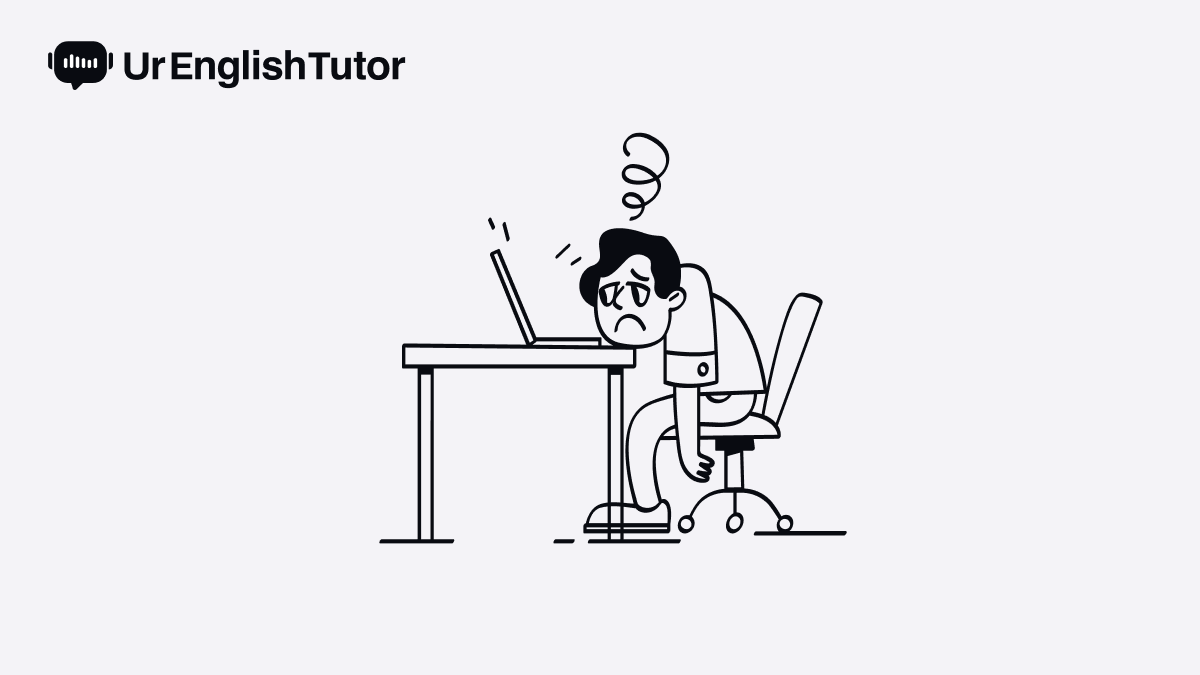
Have you ever taken English lessons or tried an English conversation app because you wanted to improve, but didn't see any real results? You're not alone. Many learners feel stuck despite putting in effort, and there's often a simple reason why.
The problem isn't your ability or motivation—it's that you might be practicing the wrong way for your current level. Just like you wouldn't run a marathon before learning to walk, effective English learning requires the right approach at each stage of your journey.
Why Most Beginners Struggle with Conversation Practice
When you're at the A1 or A2 level, jumping straight into free conversation is like trying to build a house without a foundation. You don't yet have enough vocabulary, listening comprehension, or pronunciation patterns internalized to hold a natural conversation.
The Common Mistake
Starting with conversation practice at a beginner level often leads to frustration, anxiety, and a feeling that "I'm just not good at English." Often, a different approach can help.
The Level-Based Approach: Practice Right for Your Stage
Research in Second Language Acquisition (SLA) shows that input must come before output. You need to hear and process language before you can produce it naturally. That's why Ur English Tutor recommends different practice modes based on your CEFR level.
A1-A2: Beginner to Basic
TOEIC 120-550 | Focus on Input
At this stage, your ears and brain need exposure to natural English patterns. Listening practice builds comprehension, while Unit Repetition helps you internalize pronunciation, rhythm, and common expressions—all without the pressure of creating original responses.
B1: Conversational
TOEIC 550-785 | Transition to Output
Now you're ready to start producing language. Continue with Unit Repetition to reinforce patterns, and begin Topic Conversation practice on familiar subjects where you can apply what you've learned.
B2 and Above: Confident to Advanced
TOEIC 785+ | Full Interactive Practice
At this level, you have the foundation to engage in free conversation. Topic Conversation and Role-play help you handle real-world situations, express complex ideas, and develop natural fluency.
Why "Input First" Works
The input-first approach isn't just theory—it's how our brains naturally acquire language. Here's why it can be especially helpful for beginners:
Build Recognition Before Production
You can't say what you can't hear. Listening and unit repetition train your ears to recognize sounds, words, and sentence patterns that you'll later produce.
Reduce Anxiety and Build Confidence
Passive and semi-active practice (listening and unit repetition) let you improve without the stress of real-time conversation, building confidence gradually.
Create Muscle Memory
Unit repetition trains your mouth to produce English sounds automatically, so when you do speak, the pronunciation comes naturally.
How Ur English Tutor Supports Your Level
Our app is designed to guide you through the right practice at the right time:
Set your English level during setup, and we recommend the optimal practice modes for your stage.
All four modes (Listening, Unit Repetition, Topic Conversation, Role-play) are available, but we highlight what works best for you.
AI adapts vocabulary and complexity to match your level—no overwhelming advanced content.
AI-generated reports help you review your sessions and get personalized advice on how to improve (a minimum number of conversations is required).
Get notified when you might be ready to level up.
Start with the Right Approach
If conversation practice hasn't felt right for your level, consider a different starting point. Start where you are, not where you wish you were.
If you're at A1-A2, begin with Listening and Unit Repetition. If you're at B1, add Topic Conversation. At B2 and above, you're ready for full interactive practice. The right approach at the right time can make a real difference.
Find Your Level and Start Practicing
Set your English level and get personalized practice recommendations today.
Start Free Trial