How to Overcome English Speaking Anxiety: 7 Techniques That Actually Work
Struggling with English speaking anxiety? Learn 7 proven techniques to build confidence, reduce fear, and start speaking English without stress.
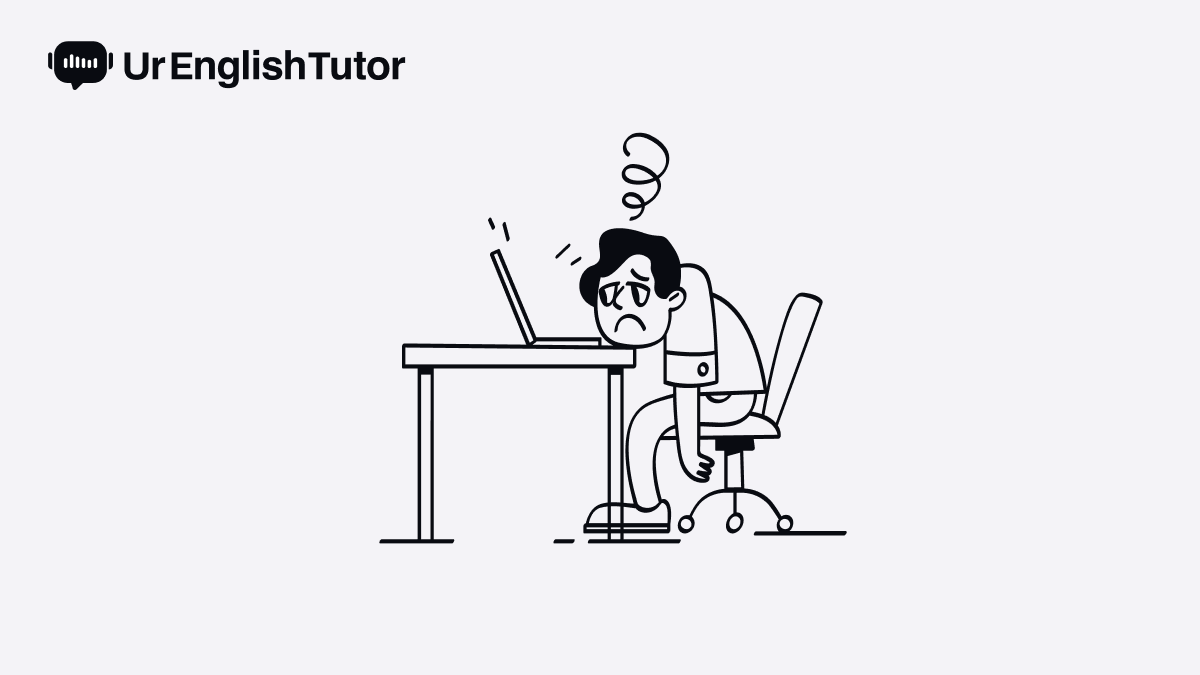
You're Not Alone in Feeling This Way
Have you ever wanted to say something in English, but the words just wouldn't come out? You know the vocabulary, you've studied the grammar—but in the moment, your mind goes blank. This is English speaking anxiety, and it's one of the most common challenges language learners face.
Studies show that up to 70% of language learners experience some form of speaking anxiety. It's one of the biggest barriers to fluency, yet it has nothing to do with intelligence or effort.
Speaking anxiety is not something you're stuck with. With the right techniques and consistent practice, it's possible to feel much more comfortable speaking English.
Why Does Speaking Anxiety Happen?
Understanding the root cause helps you fight it. Speaking anxiety typically comes from:
- Fear of making mistakes in front of others
- Comparing yourself to native speakers or more fluent learners
- Past negative experiences (being corrected harshly, feeling embarrassed)
- Perfectionism—wanting to sound "perfect" before you speak
Linguist Stephen Krashen calls this the Affective Filter Hypothesis: when anxiety is high, your brain literally blocks language acquisition. Lowering that filter is the first step to progress.
1. Start with Repetition, Not Conversation
Jumping straight into free conversation is like running a marathon without training. Instead, start with structured repetition practice where you listen to natural English and repeat it.
This builds muscle memory for pronunciation and rhythm without the pressure of coming up with your own words. You're training your mouth and ears first.
Try this: Use Unit Repetition mode to practice repeating natural phrases. There's no judgment—just you and the audio.
2. Practice Alone with an AI Tutor
One of the biggest sources of anxiety is the fear of being judged by another person. An AI tutor removes that entirely.
With AI practice, you can:
- Make mistakes without embarrassment
- Repeat the same phrase as many times as you need
- Practice at any time, without scheduling
- Go at your own pace without holding anyone up
Think of it as a safe training ground before you step onto the real field.
3. Reframe Mistakes as Progress
Here's a mindset shift that changes everything: mistakes are not failures—they're evidence that you're learning.
Every fluent speaker you admire made thousands of mistakes on their journey. The difference isn't that they avoided mistakes—it's that they kept speaking despite them.
"I made a grammar error" → "I noticed a grammar pattern I need to practice"
"They didn't understand me" → "I'm learning which sounds need more work"
"I froze and couldn't speak" → "I found my current challenge area"
4. Use Progressive Difficulty
Don't try to do everything at once. Build your confidence step by step:
Step 1: Listening
Just listen to English conversations. Get comfortable with the sounds and rhythms.
Step 2: Repetition
Repeat phrases you hear. Focus on pronunciation and natural flow.
Step 3: Guided conversation
Practice with an AI tutor on familiar topics where you feel comfortable.
Step 4: Free conversation
Gradually move to open-ended discussions as your confidence grows.
Each step builds on the last. There's no rush to skip ahead.
5. Celebrate Small Wins
Anxiety thrives when you focus only on what went wrong. Counter this by actively recognizing your progress:
You completed a 2-minute conversation? That's a win.
You understood a phrase without subtitles? That's a win.
You spoke even though you felt nervous? That's a huge win.
Small wins compound over time. What feels difficult today will feel natural in a few months.
6. Lower the Affective Filter
Based on Krashen's research, your learning environment matters enormously. To lower your anxiety filter:
- Practice in a private, comfortable space
- Choose topics you're genuinely interested in
- Use a patient practice partner (AI tutors never rush you)
- Set realistic expectations for each session
When you feel safe, your brain is free to absorb and produce language naturally.
7. Build a Consistent Practice Routine
Anxiety decreases with familiarity. The more regularly you practice, the more "normal" speaking English becomes for your brain.
You don't need long sessions. 10-15 minutes daily is far more effective than one hour once a week. Consistency builds the neural pathways that make speaking feel automatic.
A simple weekly routine:
- Monday/Wednesday/Friday: 10 min Unit Repetition practice
- Tuesday/Thursday: 10 min Listening practice
- Weekend: 15 min Conversation practice with AI tutor
The Path Forward
Speaking anxiety is real, but it's not permanent. By starting with low-pressure activities like repetition, practicing in a judgment-free environment, and building difficulty gradually, you can rewire your relationship with English speaking.
Remember: fluency isn't about being perfect. It's about being willing to try, make mistakes, and try again.
Ready to Practice Without Anxiety?
Practice English speaking at your own pace with an AI tutor. No scheduling, no pressure.
Start Free Trial